“and process” search results (26000)
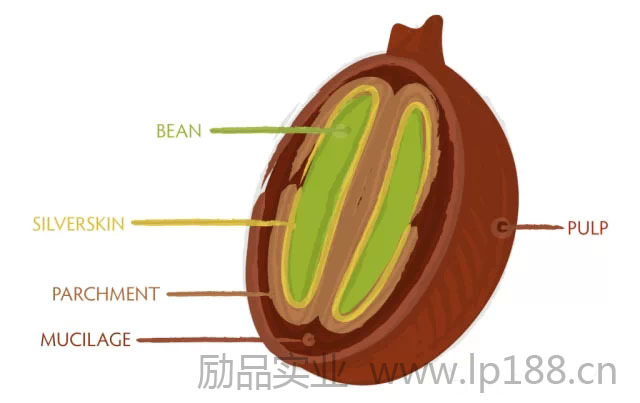
Coffee knowledge: introduction to the anatomy of coffee fruit and the grade of honey treatment
1. Coffee fruit anatomy map Coffee fruit is divided into five layers, as shown in the figure: these five layers are: 1. Skin/Pulp: the outermost layer of coffee beans is covered with berry-like skin and pulp. In addition to the natural sun method, coffee beans treated by other methods must remove the skin and flesh within a few hours after picking. Similar to it is the cherry we often eat, but different
2015-12-09 Coffee knowledge point fruit anatomy treatment grade introduction coffee
Costa Rica Tarazu St. Roman processing Plant Royal Coffee freshly roasted Black Coffee beans Super Grade
The best coffee in Costa Rica seems to come from small processing plants, spread across several major coffee producing areas, including Tarazu and the western valley. This so-called coffee revolution originated 15 years ago and has greatly changed the way bean baking experts and importers think about Costa Rican coffee. Take the processing plant as the center, collect coffee beans from the surrounding small farms for processing, most of these farms are small societies
2016-03-30 Costa Rica Tara producing area Roman processing Plant Royal Coffee fresh Baking
Understand the wet treatment of coffee beans
There are two ways to prepare coffee beans for the baking process. The method chosen has a significant impact on the final price and quality of coffee. The cheapest method of processing is called drying, which is used for lower-grade coffee beans, while higher-quality coffee beans are processed by wet treatment. The wet treatment process requires more capital investment and more energy, but it helps to ensure
2014-08-06 Understand coffee beans processing roasting process preparation two methods
Processing of coffee beans which method is suitable for different coffee beans
There are two ways to prepare coffee beans for the baking process. The method chosen has a significant impact on the final value and quality of coffee. The cheapest method of processing is called drying, which is used for lower-grade coffee beans, while higher-quality coffee beans are processed by wet treatment. Drying is used for unwashed coffee beans. Wet treatment used for thorough cleaning or semi-cleaning.
2015-11-24 Coffee beans processed different co-used planted treated methods
Coffee common sense Coffee bitterness comes from the processing process
In western countries, people drink a cup of coffee every morning. In order to cover up the bitterness of the coffee, they often add some milk powder and sugar. But why is coffee bitter? A seemingly simple problem has been bothering scientists for decades. Now, scientists have narrowed down their research and targeted two chemical molecules. Chemistry in the United States
2014-09-16 Coffee knowledge coffee common sense coffee bitterness coffee processing
Coffee bean picking-berry processing-drying process
What we call coffee beans is actually the seeds of a cherry-like fruit. Coffee trees produce berries called coffee berries, which turn bright red to indicate ripeness and are ready for picking. The fruit clustered on the branches. Coffee berries have thick, bitter outer skins (exocarp). However, the fruit inside (mesocarp) is sweet and has a grape texture. And then parenchyma, which is like
2015-03-27 coffee beans picking berries processing drying process we said fruit
Basic knowledge of coffee processing methods of raw coffee beans
There are friends in the group looking for the processing method of raw coffee beans. I help to send information about this problem. I hope it can help you! The processing methods of coffee include water washing, semi-washing and natural drying. Different processing methods are adopted according to different regions, climates, types of coffee beans and other factors. Coffee beans processed by different methods will also show different flavors.
2014-11-07 Coffee knowledge coffee basics coffee common sense raw coffee beans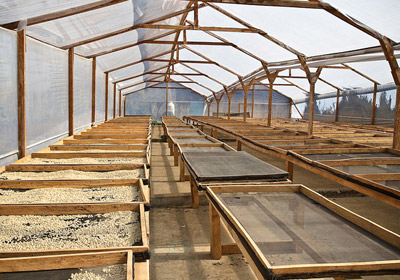
China Coffee Network recommends Royal Coffee Black Coffee from St. Roman processing Plant in Tarazu, Costa Rica.
The best coffee in Costa Rica seems to come from small processing plants, spread across several major coffee producing areas, including Tarazu and the western valley. This so-called coffee revolution originated 15 years ago and has greatly changed the way bean baking experts and importers think about Costa Rican coffee. Take the processing plant as the center, collect coffee beans from the surrounding small farms for processing, most of these farms are small societies
2016-03-28 China Coffee recommendation Costa Rica Tara producing area Roman processing Plant Royal
What process does it take to process coffee fruit to coffee beans?
A fresh, green coffee bean obtained by removing its red flesh and peel and silver skin from a coffee cherry. The structure of coffee cherry is composed of outer skin, pulp, endocarp, silver skin and seeds. The shape is oval, usually the fruit of coffee is composed of two oval seeds opposite each other, and the other side is flat, so it is called flat bean, but there is also one.
2016-06-14 Coffee Fruit processing Coffee beans need what process Sakura
Processing of coffee beans two processing methods of raw coffee beans
Wet method: remove the pulp from the outer layer of the coffee cherry and then soak it in a large cement tank filled with water. After fermentation, the water-washed coffee will have a distinctive and clear flavor. The fermented coffee beans are washed with clean water, then removed from the water and dried in the sun or machine. Finally, the pulp is peeled with a sheller.
2014-09-13 Coffee knowledge coffee bean processing coffee bean processing methods
The process of making coffee describes in detail the basic knowledge of coffee.
So for many people, the afternoon is not only the best time to taste coffee, but also the time to relax and relax, so what about the process of making your favorite coffee? When we enjoy a cup of coffee in our spare time, we seriously enjoy the unbridled time in the afternoon, and at the same time experience the rare leisure and entertainment. So for a lot of people
2015-08-20 Coffee production process details description basics common sense so for a lot of people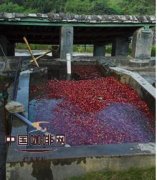
Wet treatment of coffee beans treatment of coffee fruit
There are two ways to prepare coffee beans for the baking process. The method chosen has a significant impact on the final price and quality of coffee. The cheapest method of processing is called drying, which is used for lower-grade coffee beans, while higher-quality coffee beans are processed by wet treatment. The wet treatment process requires more capital investment and more energy, but it helps to ensure
2015-11-05 Coffee beans processing coffee method roasting process preparation coffee beans two square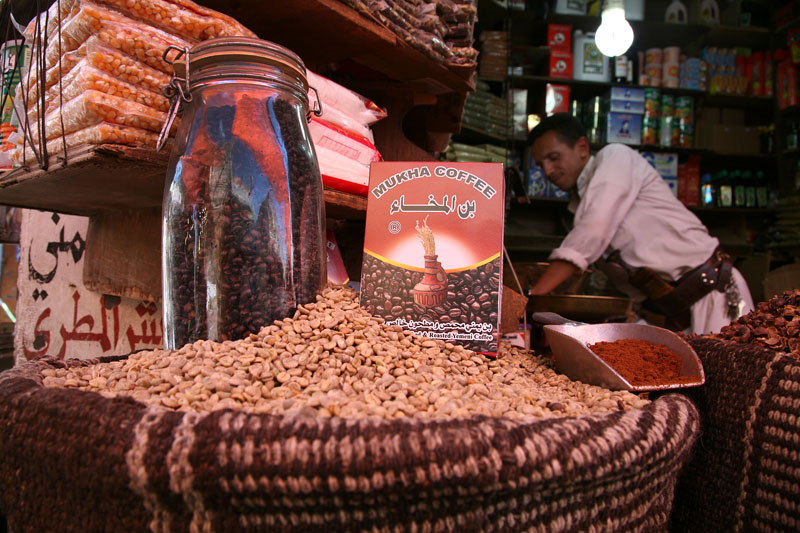
Coffee black honey treatment method is to leave how many percent of the mucous membrane? what is honey processing coffee beans?
4. Honey treatment Today, honey treatment is used in almost all the producing areas of Costa Rica. This method is also widely spread throughout Central America. Because the surface mucosa of coffee beans is extremely sticky and smooth and the sugar content is extremely high, it is often called honey. In the process of honey treatment, coffee will leave some or all of the honey when it is dried. After picking, grading and peeling the coffee fruit, it will be
2016-04-25 Coffee treatment method percentage more less mucous membrane what coffee beans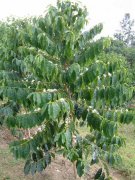
The process from Coffee Tree to Harvest the picking process of Coffee beans
The coffee tree is more than 3 meters tall. Coffee flowers white flowers, beautiful like magnolia, but life is short, it will wither after 3 days! After the coffee beans are in full bloom, the coffee beans turn from green to red and when the fruit is bright red and ripe, you can begin to pick and harvest the fruit, remove the skin, soak it in water for 12 to 16 hours, and then wash it. Remove the peel of coffee beans
2015-02-16 Coffee harvest process reality map coffee beans picking processing coffee tree height more than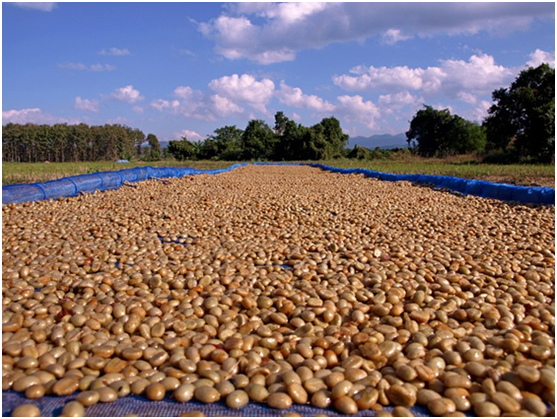
Coffee Xiaobai classroom, coffee raw bean treatment, grading of honey treatment
Coffee has become the darling of the beverage industry because of its strong flavor, round taste and mellow taste. People's busy work is inseparable from the refreshing effect of coffee, and people's leisurely life is inseparable from the pleasant embellishment of coffee. The love of coffee drives people to study coffee constantly. In order to show the flavor of coffee more incisively and vividly, the more kinds of coffee are produced after processing.
2015-09-08 Coffee rookie class raw beans processing grading coffee with its strong flavor
Why is coffee bitter? the bitterness of coffee comes from the processing process.
In western countries, people drink a cup of coffee every morning. In order to cover up the bitterness of the coffee, they often add some milk powder and sugar. But why is coffee bitter? A seemingly simple problem has been bothering scientists for decades. Now, scientists have narrowed down their research and targeted two chemical molecules. Chemistry in the United States
2014-09-29 Coffee knowledge coffee bitterness coffee encyclopedia coffee processing
The most traditional drying method of coffee bean processing
Drying is used for unwashed coffee beans. Wet treatment is used for thoroughly washed or semi-washed coffee beans. Except for the more common use of drying in Brazil and Ethiopia, most Arabica coffee beans are processed by wet treatment. In Indonesia, some Robart coffee beans are processed by wet treatment, but this is not common there. Drying method
2014-12-17 Traditional coffee beans construction drying for unwashed place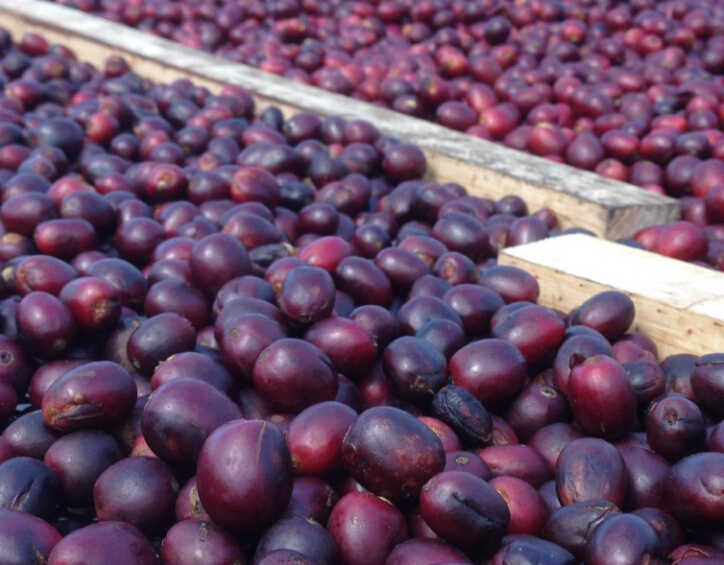
Where can I buy coffee beans on the Royal Coffee Network of the St. Roman processing Plant in Costa Rica? Where are the coffee beans going?
1. When buying beans online, you should pay attention to the production date, shelf life, packaging and sealing, the roasting degree of coffee beans, the types of coffee beans, and your utensils to determine what kind of beans you want. If you use blue mountain beans to make ESP, it is indeed a maverick way, but it is also too unprofessional and expensive, and the taste is not very good. The production date must be at least
2016-04-23 Costa Rica Roman processing plant royal coffee online how can I buy coffee?
Properties of coffee beans during roasting
{attributes of coffee beans during roasting} the process of roasting beans is the main process of heating raw beans and developing the aroma and taste of coffee. The aroma and taste emitted are determined by the original characteristics of each kind of raw bean. The depth of fried beans depends on the type of raw beans, market demand or the way they are cooked. What kind of baking machine controls the depth of fried beans. Even if the chemistry of all kinds of raw beans
2016-04-26 Baking process Coffee beans Properties
Rwandan coffee flavor introduction Rwandan coffee characteristics Rwandan coffee processing methods
With the improvement and upgrading of Rwandan coffee in all aspects, its quality has also made a qualitative leap. Rwanda's Anomeca Premium Washed Bourbon defeated Jamaica Blue Mountain No. 1 and Sumatra Mandning G1 Special to retain the title in the 2008 COE Competition organized by the American Boutique Coffee Association SCAA. Rwandan coffee has won a place in the coffee world with its excellent quality.
2016-07-27 Rwanda coffee flavor presentation characteristics treatment method with parties face